New Building Technology Plan
A strategic framework for integrating advanced technology infrastructure into modern construction projects.
1.0 Introduction
1.1 Overview
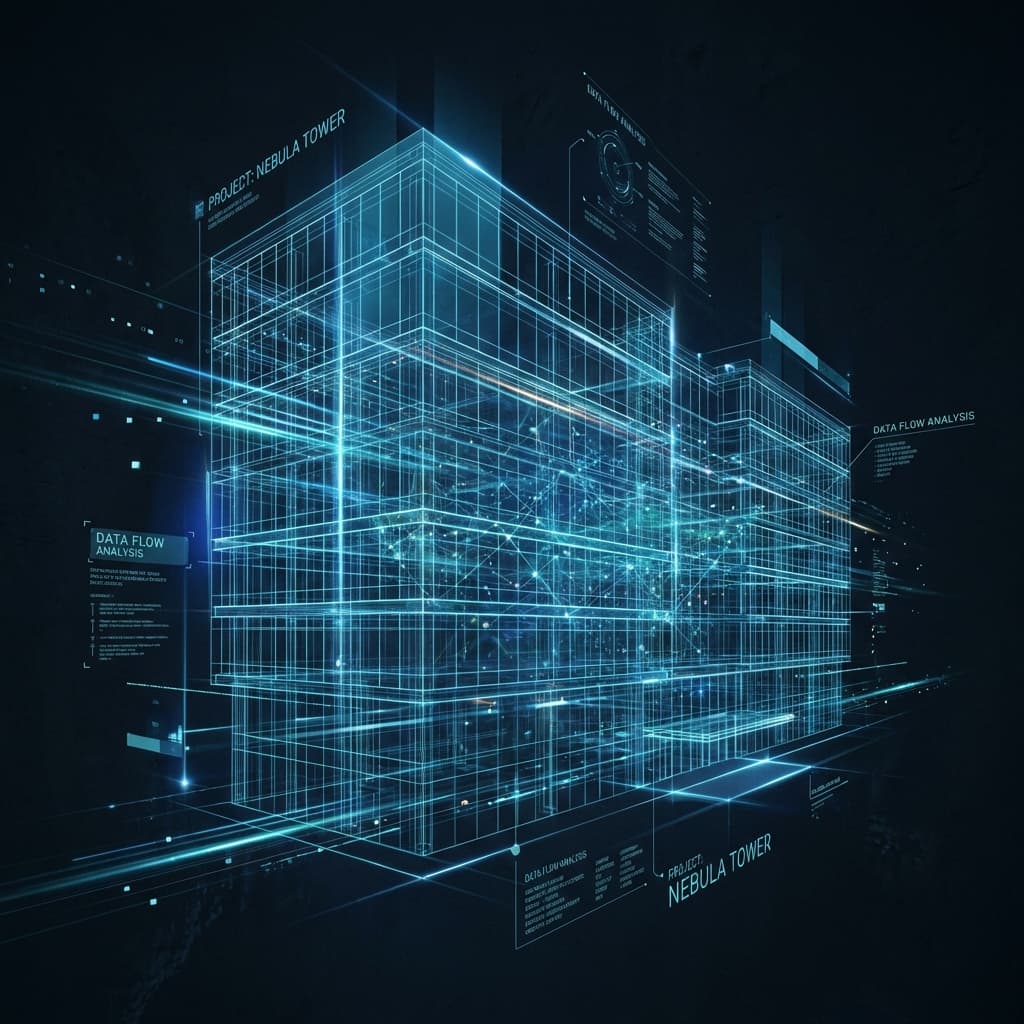
In the rapidly evolving landscape of modern construction, a robust Building Technology Plan is no longer optional—it is essential. This document outlines the critical components required to future-proof a facility, ensuring it meets current operational needs while remaining adaptable to emerging technologies. From foundational electrical grids to sophisticated network topologies, every element plays a vital role in creating a smart, efficient, and secure environment.
1.2 Background
Historically, technology systems were often treated as afterthoughts in the construction process, leading to costly retrofits and suboptimal performance. By integrating technology planning into the architectural specifications from day one, stakeholders can avoid these pitfalls, ensuring seamless integration of IT infrastructure, security systems, and building automation.
2.0 Executive Summary
2.1 Leadership and Vision
Successful technology implementation requires strong leadership and a clear vision. This plan serves as a roadmap for decision-makers, aligning technology investments with organizational goals.
2.2 Vision Statement
"To construct a facility that serves as a beacon of innovation, utilizing state-of-the-art technology to enhance productivity, security, and user experience, while maintaining operational efficiency and sustainability."
2.3 Strategic Plan
Our strategic approach involves a phased deployment of critical infrastructure, prioritizing high-impact systems such as high-speed connectivity and robust security frameworks, followed by the integration of user-centric technologies like digital signage and smart room scheduling.
3.0 Technology Planning
3.1 Electrical Grid Infrastructure
A reliable power supply is the backbone of any technology plan. Specifications include redundant power sources, UPS deployment for critical systems, and clean power filtration to protect sensitive equipment.
3.2 Facility Requirements
Physical spaces must be designed to accommodate technology needs. Key considerations include:
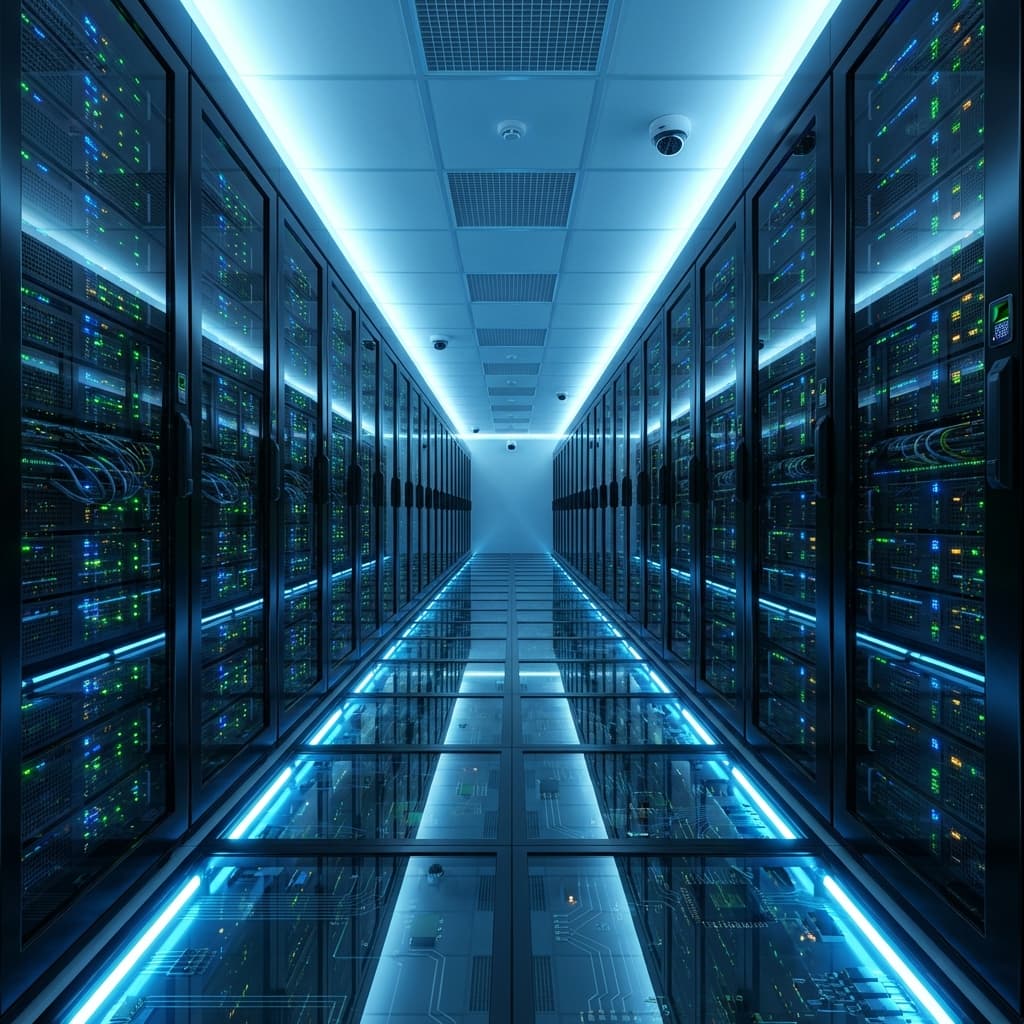
- Server Room Design: Dedicated climate control, fire suppression systems, and biometric access control.
- Racks & Cabling: Standardized 19-inch racks with vertical and horizontal cable management.
- Cooling: HVAC systems designed to handle the thermal load of high-density computing equipment.
3.3 Technology Objectives
Primary objectives include achieving 99.99% network uptime, ensuring ubiquitous Wi-Fi 6 coverage, and implementing a zero-trust security architecture.
4.0 IT Infrastructure
4.1 Deployment Objectives
- User Community: Identity management and role-based access.
- Desktop Management: MDM solutions for Windows, Apple, and Linux fleets.
- Server Management: Virtualization strategy and patch management.
- Disaster Recovery: Off-site backups and immutable snapshots.
- Email & Wifi: Enterprise-grade exchange and mesh Wi-Fi networks.
4.2 Network Topology
- Core Networking: High-availability routers and L3 core switches.
- Edge Switching: PoE++ capability for powering APs and cameras.
- Cybersecurity: Next-gen firewalls, IDS/IPS, and network segmentation.
- Broadband: Dual-homed ISP connections for failover.
- VOIP & Video: Dedicated VLANs for voice and video traffic to ensure QoS.
5.0 Enterprise Wiring Specifications
A structured cabling system is the nervous system of the building. We adhere to TIA/EIA standards to promote consistency and manageability.
Network Wall Drops
- Standard Data: Cat 6 / Cat 6A cabling
- VOIP Outlets: Dedicated drops for handsets
- Fiber Optic: OM4/OM5 for backbone connections
- Smartboard & AV: High-bandwidth shielded drops
Specialized Drops
- Video Surveillance (CCTV)
- Intercom & PA Systems
- Access Control (Readers/Locks)
- Digital Signage (Visix, Meetingroom365)
6.0 Technical Readiness & Resilience
Ensuring technical readiness involves preparing for both routine operations and unexpected events.
- Electrical Grid Resilience: Implementation of backup generators capable of sustaining critical loads for 24+ hours. Comprehensive circuit analysis to prevent overloads.
- System Hardening: Physical wire hardening techniques to prevent tampering and environmental damage.
- Environmental Monitoring: IoT sensors for temperature, humidity, and water leak detection in critical infrastructure zones.